

Can You Get Compensation if a Police Report Says You’re at Fault?
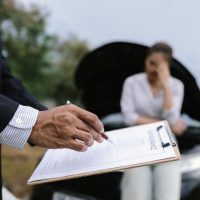
In any accident where there are two versions of how the accident happened, and thus, two parties arguing over who actually caused the accident, it is inevitable that one party or another will pull out the police report, and use it to support their side.
The finding in a police report that one party was at fault and the other was not, is seen as definitive and unimpeachable. It is seen as conclusive, and the final say on who actually caused the accident.
But legally that’s not exactly how it works, and you shouldn’t rely on the findings of a police officer, to conclude that you may have caused or didn’t cause an accident.
Why Police Accident Reports Aren’t Always Accurate
Police officers do a great job generally, but they are not trained accident reconstructionists. While they are trained in criminal and traffic laws, they also are not trained in negligence, comparative negligence, or the subtleties of personal injury law.
Their findings in the street, immediately following a car accident, are often based on quick interviews and observing visual clues like where the cars are resting and what the people in the cars have told the police officer.
Add into all this that the police officer likely has a lot of other places to be, and thus, cannot sit and conduct a complex investigation, or track down witnesses who may have left the area, and you start to see that it may not be a good idea to just rely on what a police report says.
Not Admissible in Trial
Despite all of this, juries put a lot of weight and credibility into what police officers say, including when police conclude who was and who was not at fault for an accident.
That’s one reason why legally, police reports cannot be used in your personal injury trial. Police reports legally are out of court statements–hearsay. They also are unfairly persuasive, and would persuade a jury to find one way or another, without listening to all of the evidence.
The jury will never see the police report, and while the police officer can testify at the trial their memory may not be ideal, and they may not be very helpful to a jury in a trial that is often happening a year or more after the actual accident.
Like any witness, police officers who do testify, can be cross examined by the parties’ lawyers. That can undermine the police officer’s findings (to the extent the officer even remembers your particular accident).
Use in Settlement Negotiations
Police reports can be very persuasive to an insurance company, right after an accident. A finding that the other side caused the accident can lead to a more favorable settlement offer, and the opposite is true as well–an officer finding you caused the accident, can make it harder to get a reasonable settlement offer.
How does a police report affect your car accident case? Call our Boston personal injury lawyers at The Law Office of Joseph Linnehan, Jr. today at 617-275-4200 if you were injured in any kind of accident.
Source:
mass.gov/guide-to-evidence/section-803-hearsay-exceptions-availability-of-declarant-immaterial