

Are Dashcams Helpful in Massachusetts Car Accident Cases?
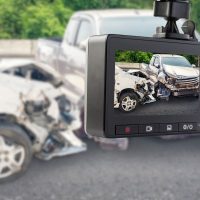
Picture this: you are sitting at a red light, the signal turns green, you proceed through the intersection, and out of nowhere, another driver runs the red and slams into your car. You know what happened. The other driver has a completely different story. With no witnesses and a police report that simply documents “conflicting accounts,” how do you prove the truth?
This is exactly the situation where a dashcam can go from a cool gadget to your most important piece of evidence.
What Makes Dashcam Footage So Valuable?
Dashcam footage is objective. It does not have a bad memory, it does not panic under pressure, and it does not change its story. In a car accident dispute, that kind of impartiality is priceless.
Video evidence can show the speed of the vehicles involved, which car entered the intersection first, whether a driver ran a red light, sudden lane changes, distracted driving behavior, and even weather and road conditions at the time of the crash. When accounts conflict, a few seconds of footage can cut straight through the noise.
Dashcams are also useful for catching insurance fraud. Unfortunately, staged accidents do occur, and having a camera rolling can expose a fraudulent claim before it causes you serious financial harm.
Massachusetts-Specific Rules You Should Know
Using a dashcam in Massachusetts is perfectly legal, but there are a couple of important rules to keep in mind.
First, placement matters. Massachusetts law prohibits mounting anything on the windshield if it obstructs the driver’s view. Mounting your dashcam on the dashboard itself, rather than the windshield, keeps you on the right side of the law and helps ensure your footage is actually admissible.
Second, the audio question is a big one. Massachusetts is an all-party consent state under Massachusetts General Laws Chapter 272, Section 99, which means it is generally illegal to secretly record a conversation without everyone’s knowledge and consent. This does not mean your video footage is useless, but it does mean the audio component of your recording could be problematic if passengers were recorded without their knowledge. When in doubt, many drivers simply keep the microphone off.
Preserve That Footage Immediately
Most dashcams loop record, meaning they automatically write over old footage once the memory card fills up. After an accident, saving your footage right away is critical. Copy it to a separate device, upload it to cloud storage, or hand it directly to your attorney for safekeeping. Waiting even a day or two could mean that valuable evidence is gone forever.
It is also worth noting that the other driver may have a dashcam too. Evidence from both vehicles can be relevant, and there are formal legal processes to request and preserve that footage before it disappears.
Talk to a Boston Car Accident Lawyer About Your Claim
A dashcam can be a powerful tool, but footage alone does not automatically win a case. How evidence is gathered, preserved, and presented matters enormously. If you have been injured in a car accident in Massachusetts, our team of Boston car accident lawyers is here to help you understand your options and build the strongest possible claim. At the Law Office of Joseph Linnehan, Jr., we offer consultations and handle all cases on a contingency fee basis. Reach out to us today and let us put more than 30 years of personal injury experience to work for you.
Source:
malegislature.gov/Laws/GeneralLaws/Partiv/Titlei/Chapter272/Section99