
The Bumper Tap That Isn’t So Simple: Common Causes of Rear End Collisions in Boston Traffic
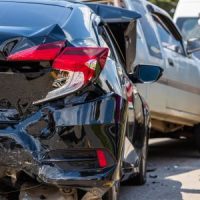
Ever wonder why “he hit me from behind” sounds like such an open and shut case, yet somehow still ends up disputed? Rear end collisions have a reputation for being straightforward, but Boston’s traffic patterns create their own particular set of causes worth understanding, both to protect yourself and to know what actually happened if you’re ever on the receiving end of one.
Why Boston’s Roads Set the Stage for These Crashes
Boston’s older street grid, frequent stop and go traffic, and dense concentration of intersections create ideal conditions for rear end collisions. Add heavy commuter volume, aggressive merging near highway on ramps, and drivers distracted by navigation apps in unfamiliar neighborhoods, and it’s little surprise these crashes happen as often as they do. According to data compiled from the National Highway Traffic Safety Administration, rear end collisions consistently rank among the most common types of crashes nationwide, and distracted driving is frequently identified as their single leading cause.
The Usual Suspects Behind a Boston Rear End Crash
A handful of recurring causes show up again and again in these cases. Consider the following:
- Distracted driving, particularly phone use, texting, or navigation apps competing for attention in unfamiliar areas
- Tailgating, especially common in Boston’s congested downtown corridors and highway merges
- Sudden stops caused by unexpected traffic pattern changes, double parked vehicles, or aggressive lane changes
- Poor weather conditions reducing visibility and increasing stopping distances
- Driver fatigue, particularly during long commutes on routes like the Mass Pike or I-93
Why “The Rear Driver Is Always at Fault” Isn’t Quite the Whole Story
It’s true that the rear driver is often presumed responsible, since drivers are generally expected to maintain a safe following distance. But that presumption isn’t absolute. A driver who slammed on their brakes without cause, whose brake lights weren’t functioning, or who reversed unexpectedly can shift some or all of the fault back onto themselves. Massachusetts follows a modified comparative negligence rule, meaning fault can be divided between drivers, and how that division shakes out can significantly affect what compensation is actually available.
Reach Out to Our Boston Rear-End Collision Team
Rear end collisions might sound simple on the surface, but Boston traffic has a way of complicating even the most obvious looking crash. Our Boston auto accident attorneys at The Law Office of Joseph Linnehan, Jr. know how to investigate these cases thoroughly and push back when fault gets unfairly assigned. Reach out to our team today; we are here to help.
