
Too Many Cars, Too Much Confusion: Who’s at Fault in a Massachusetts Pileup?
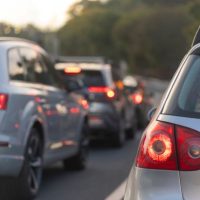
A two-car fender bender is messy enough. Now imagine three, four, or five vehicles tangled together on the highway, each driver pointing in a different direction, literally and figuratively, about how it all happened. Multi-vehicle accidents create a special kind of chaos, and figuring out who’s responsible can feel like trying to untangle headphones in the dark. The good news is that Massachusetts law actually has a framework for sorting through exactly this kind of mess.
Why Chain-Reaction Crashes Are So Tricky
In a typical two-car accident, fault often comes down to a single moment, like a missed stop sign or following too closely. Multi-vehicle crashes rarely work that way. One driver might have braked suddenly, a second might have been following too closely, and a third might have swerved to avoid the first two cars and clipped a fourth vehicle entirely. Each of these actions can contribute to the overall harm, which means liability is rarely an all-or-nothing proposition. Instead, it often gets divided among several parties based on how much each one’s conduct contributed to the crash.
Massachusetts Uses a Comparative Negligence System
This is where Massachusetts General Laws Chapter 231, Section 85 comes into play. Under this statute, fault in an accident is measured as a percentage, and the combined fault of everyone involved must add up to 100 percent. If you’re found partially responsible for a crash, your compensation is reduced by your percentage of fault. However, you’re only completely barred from recovering damages if you’re found to be 51 percent or more at fault. In other words, being assigned a small share of the blame in a multi-vehicle wreck doesn’t necessarily knock you out of contention.
What Investigators Look At
Reconstructing a multi-vehicle accident usually involves more moving pieces than a simple two-car collision. Some of the most useful sources of evidence include:
- Police reports and officer observations at the scene
- Traffic camera or dashcam footage
- Black box data from involved vehicles
- Statements from multiple witnesses
- Skid marks, vehicle damage patterns, and debris fields
Because so many vehicles and drivers are typically involved, insurance companies representing different parties may try to shift blame onto each other, or onto you. That’s part of what makes these cases more complicated than they first appear.
The Stakes Are High, and So Is the Confusion
According to the Massachusetts Department of Transportation, multi-vehicle crashes make up a meaningful share of the roughly 100,000 crashes reported across the Commonwealth each year, many of them clustered on busy highways and at congested intersections where one driver’s mistake can quickly cascade into several more. With so many parties and insurance companies in the mix, sorting out percentages of fault is rarely something that resolves itself quickly or fairly without a closer look.
If you’ve been hurt in a chain-reaction crash and aren’t sure who’s actually responsible, you don’t have to figure it out alone while juggling medical bills and insurance calls. At the Law Office of Joseph R. Linnehan, Jr., our Boston car accident attorneys have spent decades helping clients sort through exactly this kind of confusion. Reach out to our office today for a free consultation so we can start reviewing what happened.
Source:
mass.gov/motor-vehicle-crash-data
